FEBREZE AMBI PUR ANTI-BACTERIAL 12 X 370ML
Contact us for current pricing and availability.

FEBREZE AMBI PUR ANTI-BACTERIAL 12 X 370ML
Contact us for current pricing and availability.
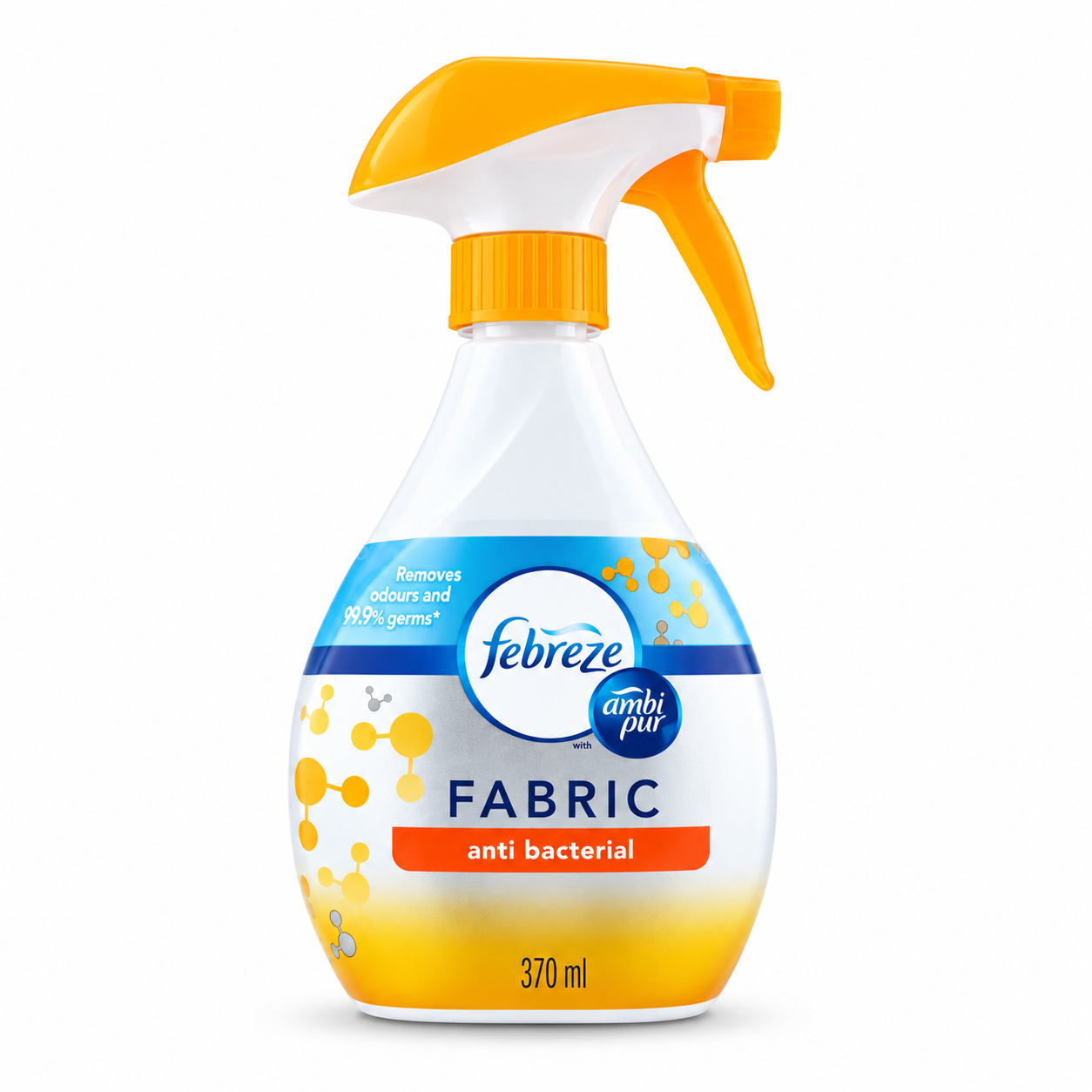
A well-prepared household-care purchase starts with precise product identification. FEBREZE AMBI PUR ANTI-BACTERIAL 12 X 370ML is listed under SKU 021301003669. The pictured retail bottle shows Febreze with Ambi Pur branding, the word Fabric, an anti bacterial variant panel and a 370ml declaration. These details provide a useful starting point for a retailer or purchasing team comparing fabric-care products, preparing a repeat order or responding to a customer’s request for this named variant.
The questions below focus on what a buyer can establish, what needs confirmation and how to turn that information into a clear purchasing decision. This is particularly useful when a product name contains a performance-related term: the name identifies the item, while the full manufacturer label supplies the conditions and limits behind any specific claim.
It identifies a Febreze Ambi Pur fabric-care variant with the catalogue name Anti-Bacterial and the pack notation 12 X 370ML. The product photograph shows a trigger bottle with yellow and orange detailing. Those visual features help distinguish the pictured item from other Febreze presentations, but the SKU is the more precise reference when requesting a quote or matching an internal stock record.
Keep the variant name and size together in purchasing documents. A shortened instruction such as “Febreze spray” leaves room for a different variant or pack size to be selected. A complete description gives the person preparing the order and the person receiving it the same reference point.
It establishes the variant being requested. Specific antibacterial performance, testing conditions and suitable applications require the complete current product label or matching manufacturer documentation. A front-label term should not be expanded into a broader medical, infection-prevention or universal sanitising claim. If your purchasing specification depends on a particular performance requirement, obtain the supporting product information before treating that requirement as satisfied.
This approach is useful for ordinary retail buying as well as formal procurement. A retailer can accurately identify the named variant without making additional promises. A business buyer can separate a familiar product name from a technical requirement that still needs checking. Both benefit from having a record of exactly which product information was reviewed.
Begin with the product identity on the front: does the supplied bottle say Fabric and identify the Anti-Bacterial variant? Then examine the complete label. A buyer with a particular purpose in mind needs answers that relate to that purpose, rather than a general statement about the Febreze range. A readable view of the reverse label is therefore more informative than an additional photograph of the front.
These are questions to check, not assumptions about what the answers will be. For example, the word Fabric helps identify the product category, but it does not establish suitability for every textile. Likewise, Anti-Bacterial names the variant without answering every question about performance. If an essential detail is absent or unclear, ask for clarification from the manufacturer or supplier before selecting the item for that requirement.
A buyer can then distinguish what has been verified from what remains unknown. That distinction is more useful than collecting broad brand claims that do not answer the specific selection question.
Retain 12 X 370ML exactly as the catalogue pack reference. The selling-unit field currently reads PCS. Confirm the actual trade order unit, quoted quantity and supplied pack configuration with the seller rather than inferring them from the photograph. A retail bottle image is not confirmation that the displayed enquiry quantity represents either one bottle or a complete trade pack.
Ask for an itemised quotation that makes the unit basis explicit. This helps avoid discrepancies between the quantity requested, the amount budgeted and the quantity received. It also permits a fair comparison with other quotations once they have been expressed on the same confirmed basis.
A Malaysian mini-market, household-goods retailer or general merchandise buyer may review this listing when customers request the Anti-Bacterial Febreze variant. A business purchasing team may also assess it against an existing approved fabric-care specification. In either case, the first decision is whether this exact item matches the intended purchase, not whether the brand name sounds familiar.
For a retailer, customer requests and previous sales provide the most useful demand evidence. For an organisation, the relevant internal specification and approval process provide the buying framework. Neither context establishes that the product is suitable for every material or setting. Questions about actual application belong with the full product label and the responsible decision-maker.
Maintain a small reference record containing the SKU, full catalogue name, confirmed order-unit basis and a photograph of the accepted presentation. Record any agreed substitution separately. This reduces the chance that an alternative size or variant is accepted merely because it shares the same main brand. It also helps a new staff member prepare the next enquiry without reconstructing previous conversations.
When a quotation arrives, compare it with that reference before focusing on the total. If the description has been shortened, ask for clarity where the missing wording matters. A purchasing record should remain understandable to the receiving team as well as the person who negotiated the order.
Consider a shopper who remembers the Febreze name but has forgotten the rest of the bottle. The pictured 370ml item has a trigger and a prominent Fabric panel. Pointing out those details helps establish whether this is the product they meant. Brand recognition alone leaves that question open, especially when a shopper is comparing several household-care categories at once.
The yellow and orange presentation can help them recognise the variant, but colour should support the written identification rather than replace it. Ask them to compare the name, format and size with their previous purchase. This is a practical product-selection conversation: it identifies the requested bottle without turning an uncertain memory into a recommendation for an unverified application.
P&G’s official brand directory lists both Febreze and Ambi Pur within its portfolio. This supports brand-level context. It does not replace the local product label, prove a particular technical specification or confirm that products sold under related names are equivalent. Keeping those distinctions clear allows a purchasing decision to remain evidence-led without making the enquiry unnecessarily complicated.
To discuss this item, provide SKU 021301003669, the exact 12 X 370ML catalogue reference and the required quantity. Add any documentation requirement that is essential to your decision. A precise enquiry brings product identity, order basis and outstanding questions together in one place, giving both buyer and supplier a clearer route to an agreed order.
Reviews
There are no reviews yet.