
How to Start Convenience Store in Malaysia: Why This Business Still Works

How to Start Convenience Store in Malaysia- Why This Business Still Works
In a fast-moving country like Malaysia, convenience stores play an important role in everyday life.
Whether it’s someone grabbing a cold drink on a hot afternoon, buying instant noodles for a late-night meal, or picking up snacks during a quick stop, convenience stores provide easy access to daily necessities without the need for a full supermarket trip.
Because of this constant demand, the convenience store industry continues to remain a reliable retail business model across both urban and suburban areas.
Many Malaysians prefer shops that are close to their homes, workplaces, or public transport stations.
Instead of driving to large supermarkets, customers often choose nearby convenience stores where they can make quick purchases in just a few minutes.
This behaviour creates a steady flow of small transactions throughout the day, which is exactly how convenience stores generate consistent revenue.
Another reason this business works well in Malaysia is the strong demand for fast-moving consumer goods (FMCG).
Products such as bottled drinks, snacks, instant meals, coffee, and household essentials are purchased frequently by customers.
Since these products are consumed quickly, customers tend to return regularly to restock their everyday items.
For entrepreneurs who want to enter the retail industry, learning how to start convenience store in Malaysia can be a practical starting point.
Compared to larger supermarket businesses, convenience stores require smaller spaces and lower initial investment.
With the right location, reliable suppliers, and a clear understanding of local customer needs, a convenience store can grow into a stable and profitable long-term business.
In fact, many successful retail businesses in Malaysia began as small neighbourhood shops before expanding into larger operations.
By focusing on high-demand products, maintaining good supplier relationships, and creating a welcoming shopping environment, convenience store owners can build loyal customer bases within their communities.
Understanding the Convenience Store Business in Malaysia

Understanding the Convenience Store Business in Malaysia
Before opening a shop, it is important to understand how the convenience store business works in Malaysia.
Unlike large supermarkets or hypermarkets, convenience stores focus on providing quick access to everyday products that customers need regularly.
The main idea behind a convenience store is speed, accessibility, and practicality.
Customers usually visit these stores for small purchases that can be completed within a few minutes.
In Malaysia, convenience stores come in different forms.
Some are large branded chains located in busy commercial areas, while many others are independent neighbourhood shops or mini markets that serve local communities.
Regardless of the format, the goal remains the same: to provide essential items that customers can easily purchase without travelling far.
Focus on Fast-Moving Consumer Goods (FMCG)
One of the key characteristics of convenience stores is their focus on fast-moving consumer goods (FMCG).
These are products that sell quickly and are purchased frequently by customers.
Because these items are part of daily consumption, they generate consistent sales and help maintain steady cash flow for store owners.
Typical FMCG products found in Malaysian convenience stores include:
- Bottled soft drinks and mineral water
- Ready-to-drink coffee and tea
- Packaged snacks and biscuits
- Instant noodles and quick meals
- Bread and bakery products
- Ice cream and frozen items
- Household essentials like tissue and toiletries
These items are usually priced affordably and restocked regularly because customers buy them often.
The Importance of Location
Location plays a major role in the success of a convenience store in Malaysia.
Since the business model relies heavily on quick purchases and frequent visits, stores must be located in areas with consistent foot traffic.
Common successful locations include:
- Residential neighbourhoods
- High-density apartment areas
- Office districts
- Near schools or universities
- Close to transportation hubs such as LRT or bus stations
A store that is easily visible and accessible tends to attract more walk-in customers, which is crucial for maintaining daily sales.
Customer Buying Behaviour
Understanding how customers behave is also important when studying the convenience store business.
In Malaysia, many customers visit convenience stores for specific purposes rather than browsing extensively.
For example, customers might stop by to:
- Buy a cold drink during hot weather
- Grab a quick snack
- Purchase instant noodles for a late-night meal
- Restock basic household items
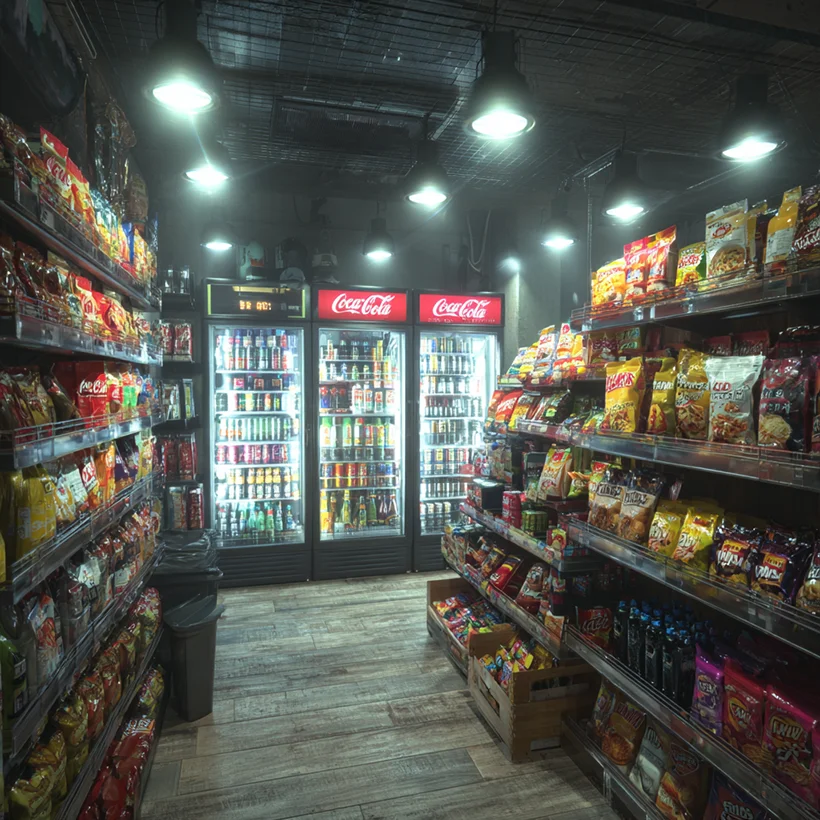
These quick shopping trips mean that product visibility and shelf organisation are extremely important.
Popular items should be easy to locate so customers can make fast purchasing decisions.
Smaller Stores, Faster Transactions
Convenience stores are typically smaller than supermarkets, but they are designed to support fast transactions.
Customers rarely spend long periods inside the store, and purchases are usually completed quickly.
Because of this, store layouts are often simple and efficient. Shelves are arranged so that customers can quickly find popular items, while the cashier counter is placed in a central position for easy payment.
This efficiency allows store owners to serve many customers throughout the day even with limited space.
Strong Relationship with Suppliers
Another important part of the convenience store business is the relationship with suppliers and distributors.
Store owners rely on suppliers to provide consistent stock of popular products.
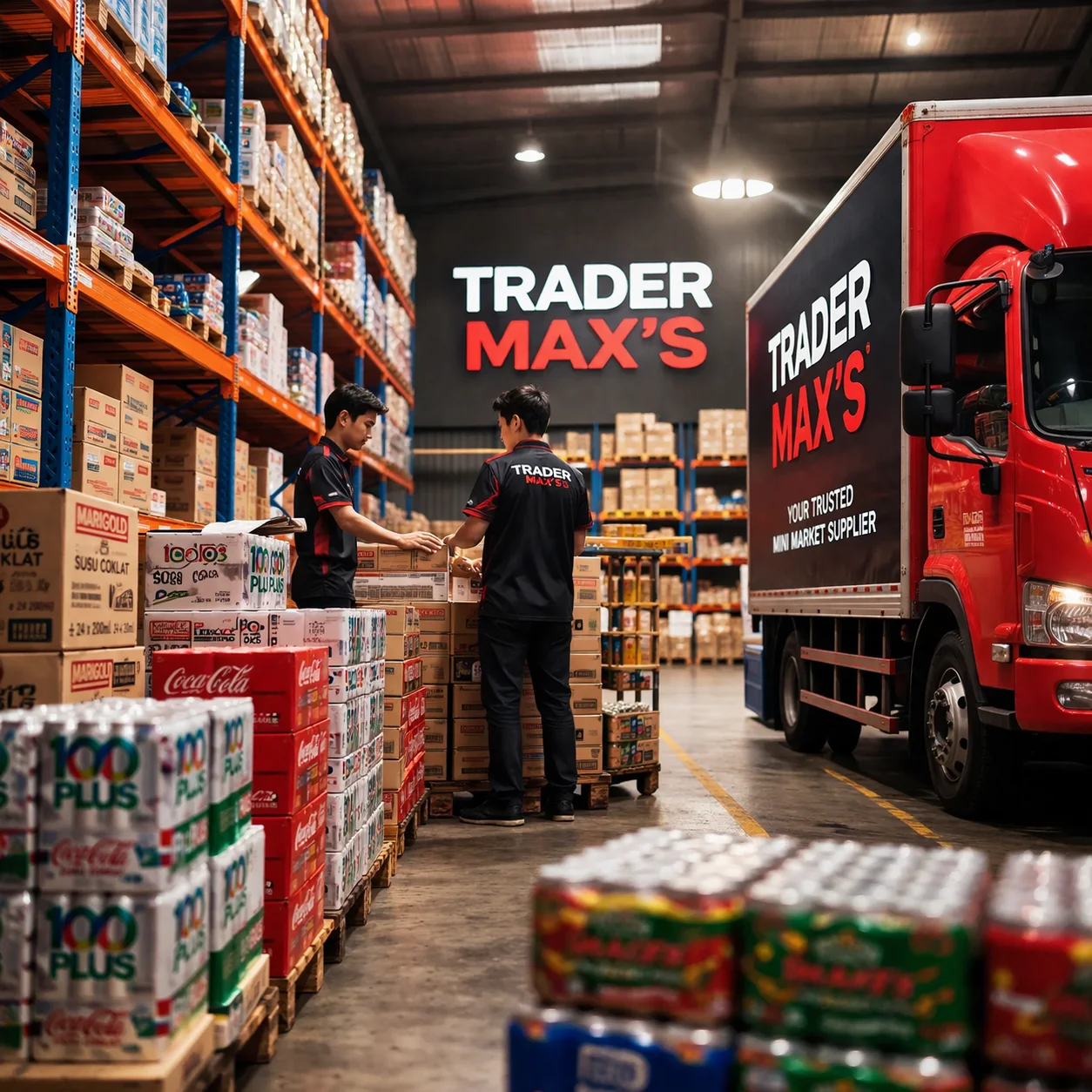
Working with reliable FMCG distributors ensures that shelves remain stocked with high-demand items such as drinks, snacks, and daily essentials.
When stock shortages occur, customers may visit other stores, which can reduce sales.
Building strong partnerships with suppliers helps store owners maintain competitive pricing and steady inventory.
Competition in the Market
Malaysia’s convenience store market is competitive, especially in urban areas like Kuala Lumpur and Selangor.
Many neighbourhoods already have multiple mini markets, petrol station shops, and retail chains.
However, independent convenience stores can still succeed by focusing on customer relationships and understanding local demand.
Small neighbourhood stores often build loyal customers because they provide personalised service and convenient access to daily necessities.
Offering the right mix of products and maintaining friendly service can help a convenience store stand out even in competitive areas.
A Reliable Small Business Model
Despite increasing competition, convenience stores remain one of the most reliable small retail business models in Malaysia.
The demand for everyday items continues to grow as urban populations increase and lifestyles become more fast-paced.
For entrepreneurs learning how to start convenience store in Malaysia, understanding the fundamentals of this business—product demand, location strategy, supplier relationships, and customer behaviour—is essential.
With proper planning and consistent management, a convenience store can become a stable business that serves the local community while generating steady income for its owner.
Step 1: Conduct Market Research

Step 1- Conduct Market Research
The first and most important step in learning how to start convenience store in Malaysia is conducting proper market research.
Many new business owners make the mistake of opening a store without fully understanding their local market, customer behaviour, and competition.
Without this information, it becomes much harder to choose the right products, pricing strategy, and store location.
Market research helps you identify what customers in your area actually need.
Every neighbourhood in Malaysia has different purchasing habits depending on factors such as population type, lifestyle, and nearby businesses.
A convenience store located in a residential area may sell very different products compared to one located near offices or schools.
By studying the local market carefully, you can make better decisions that increase your chances of building a successful and profitable store.
Identify Your Target Customers
Before opening a convenience store, it is important to understand who your main customers will be.
Different customer groups have different shopping habits and product preferences.
For example, a store located near residential housing areas will likely serve families and local residents.
In this case, everyday household products, snacks, drinks, and basic groceries tend to sell well.
On the other hand, a convenience store near office buildings may attract workers looking for quick meals, coffee, or snacks during breaks.
In areas near schools or universities, students often purchase instant noodles, beverages, and affordable snack items.
By identifying your target customers early, you can stock products that match their daily needs.
Study Your Competitors
Another important part of market research is analysing nearby competitors.
In many Malaysian neighbourhoods, you will often find several convenience stores operating within the same area.
Visit nearby shops and observe:
- What products they sell
- Which shelves are frequently empty (indicating fast-moving items)
- Their pricing strategies
- Store layout and product placement
- Customer traffic during different times of the day
This information helps you understand what works well in that area and where there may be opportunities to offer something better or different.
For example, if nearby stores focus mainly on snacks and drinks, you might consider adding ready-to-eat meals or frozen food options to attract more customers.
Understand Local Demand
Local demand is one of the most important factors when starting a convenience store.
Some products may sell extremely well in one area but perform poorly in another.
In Malaysia, popular convenience store items often include:
- Cold drinks such as Coca-Cola, isotonic drinks, and bottled water
- Packaged snacks and biscuits
- Instant noodles and ready meals
- Coffee and tea beverages
- Ice cream and frozen food
- Household essentials like tissue and toiletries
However, the exact demand can vary depending on the surrounding community.
Observing shopping patterns in nearby stores can help you identify which products customers buy most frequently.
Observe Customer Behaviour
Spending time observing customer behaviour in the area can provide valuable insights.
For example, notice when people usually visit convenience stores.
Some locations experience heavy traffic during morning hours when customers buy coffee and breakfast snacks.
Others may be busier at night when people purchase instant meals or drinks.
Understanding peak shopping hours helps you plan your operating hours and staffing needs more effectively.
Evaluate Foot Traffic
Foot traffic is another key factor to study during market research.
Convenience stores rely heavily on regular walk-in customers, so choosing a location with consistent traffic can significantly increase your chances of success.
Areas with high foot traffic include:
- busy residential streets
- near public transport stations
- close to schools or offices
- within apartment complexes
A store located in a quiet area with little daily movement may struggle to generate enough sales.
Make Data-Driven Decisions
After gathering information about customers, competitors, and local demand, you can begin making informed decisions about your business strategy.
This may include selecting the right location, choosing the best product categories, and planning your store layout.
Market research reduces risk because it helps you understand the environment you are entering before investing money in the business.
For anyone planning how to start convenience store in Malaysia, taking the time to study the market carefully can make the difference between opening a store that struggles and building one that becomes a profitable part of the community.
Step 2: Choose a Strategic Location
Location is one of the most important factors when opening a convenience store. A good location can significantly increase foot traffic and sales.
Ideal locations include:
-
Residential neighbourhoods
-
Office districts
-
Near public transport stations
-
Close to schools or universities
-
High-density apartment areas
When choosing a location, consider visibility and accessibility. A store that is easy to see and enter will naturally attract more customers.
Rental costs should also be carefully considered, as they will become a major part of your monthly expenses.
Step 3: Register Your Business
To operate legally in Malaysia, you must register your business with the appropriate authorities.
Common steps include:
-
Register your business with SSM (Suruhanjaya Syarikat Malaysia).
-
Apply for a local council business license.
-
Obtain signboard approval from the local municipal authority.
-
Ensure compliance with health and safety regulations.
Depending on the products you plan to sell, additional licenses may be required.
For example, selling cigarettes or alcohol may require specific permits.
Step 4: Design Your Store Layout
A well-organised store layout can improve customer experience and increase sales.
Convenience stores should focus on:
-
Clear walking space
-
Easy product visibility
-
Fast checkout area
-
Efficient shelf organisation
Products that sell quickly, such as drinks and snacks, should be placed in visible locations near the entrance.
Refrigerators and freezers should also be positioned strategically so customers can easily access cold drinks and frozen products.
A simple and clean store design makes it easier for customers to find what they need quickly.
Step 5: Source Reliable Suppliers
One of the most important steps when learning how to start convenience store in Malaysia is finding reliable suppliers.
Convenience stores rely heavily on consistent stock supply. Without reliable suppliers, it becomes difficult to maintain product availability.
Most convenience store owners work with:
-
FMCG distributors
-
beverage wholesalers
-
snack suppliers
-
frozen food suppliers
Working with established distributors allows store owners to restock popular products quickly and maintain competitive pricing.
Reliable suppliers also help reduce the risk of stock shortages.
Step 6: Stock Fast-Moving Products
Convenience stores should focus on products that sell quickly. These are known as fast-moving consumer goods (FMCG).
Popular items often include:
-
Coca-Cola, Pepsi, and other soft drinks
-
bottled water and isotonic drinks
-
instant noodles
-
chocolate bars and biscuits
-
potato chips and snacks
-
coffee and tea drinks
-
convenience meals
Understanding which products move quickly helps store owners maintain steady cash flow.
Slow-moving products should be limited to avoid tying up capital in unsold inventory.
Step 7: Hire and Train Staff
Depending on your store’s size and operating hours, you may need to hire staff to assist with daily operations.
Common roles include:
-
cashier
-
shelf restocking
-
store cleaning and organisation
-
inventory monitoring
Training staff to provide friendly service and maintain store cleanliness can improve the customer experience.
Convenience stores often rely on repeat customers, so building a positive shopping environment is important.
Step 8: Use Technology for Inventory and Sales
Modern convenience stores often use POS systems (Point of Sale) to track sales and inventory.
A POS system can help with:
-
monitoring product sales
-
tracking inventory levels
-
generating sales reports
-
reducing stock shortages
Using technology allows store owners to make better decisions about which products to stock and which items should be replaced.
This improves efficiency and helps the business grow over time.
Step 9: Promote Your Store Locally
Marketing can help attract customers, especially during the early stages of your business.
Simple promotional strategies include:
-
offering opening promotions
-
displaying attractive signage
-
posting updates on social media
-
partnering with nearby offices or apartments
Even small promotions can encourage people to visit your store and become regular customers.
Building strong relationships with the local community is one of the most effective ways to grow a convenience store business.




Leave A Comment