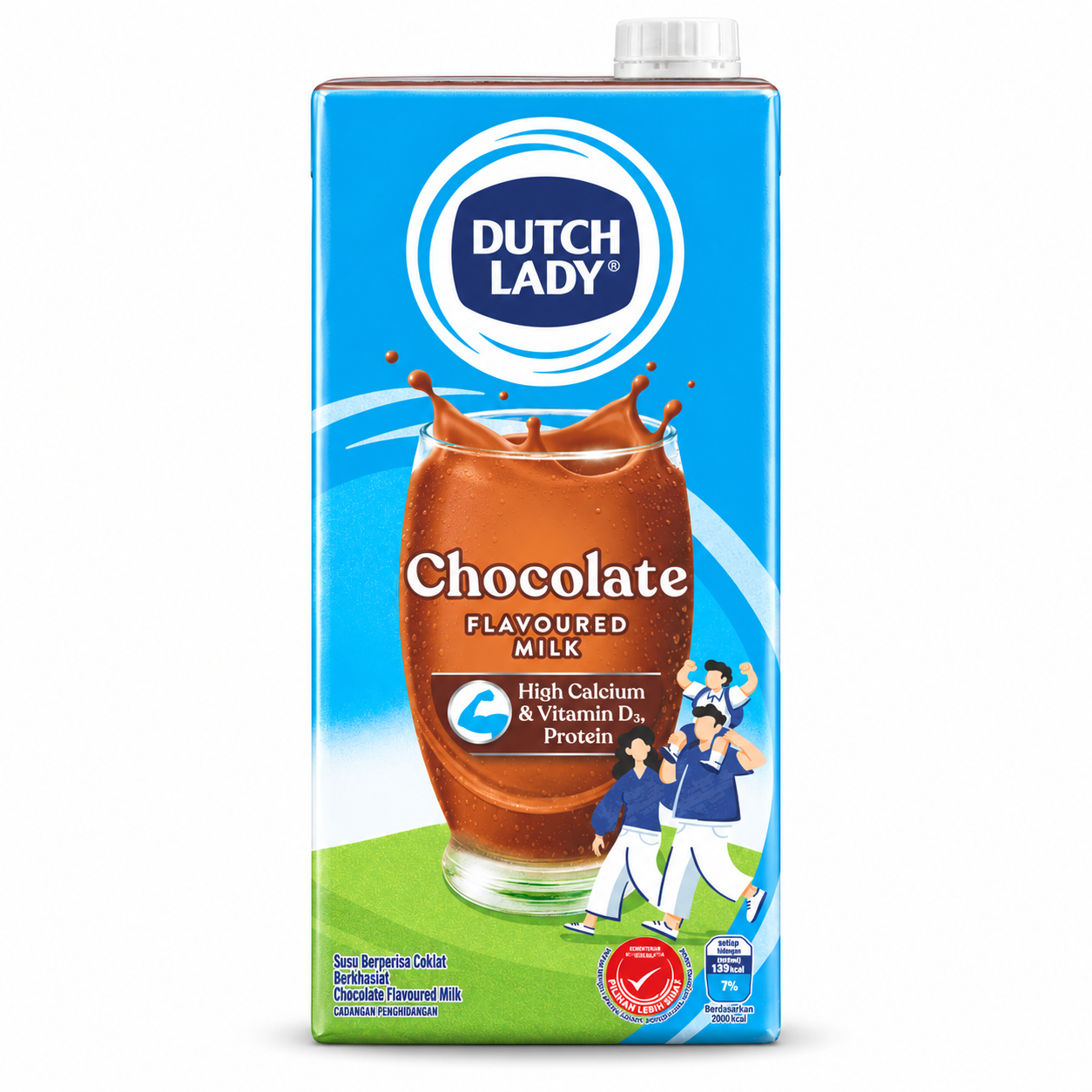
DUTCH LADY CHOCOLATE MILK 12 X 1L
Contact us for current pricing and availability.

DUTCH LADY CHOCOLATE MILK 12 X 1L
Contact us for current pricing and availability.
A café counter and an office pantry can order the same product for very different reasons. One may be building a customer-facing beverage selection; the other may be responding to preferences within a team. Dutch Lady Chocolate Milk 1L gives both buyers a clearly identified chocolate milk option to assess within their own plan. The most useful starting question is where this exact product belongs in that plan and how its demand will be measured.
Trader Max lists it as DUTCH LADY CHOCOLATE MILK 12 X 1L, with SKU 231301012160 and selling unit CTN. “12 X 1L” is the catalogue pack notation. Confirm the supplied pack configuration when requesting a quotation, particularly if your purchasing records distinguish individual retail packs from cartons. The photograph represents a retail unit and does not establish the quantity included in an order.
Dutch Lady Malaysia identifies this variant as chocolate flavoured milk within its ready-to-drink range. That simple description is useful when writing a purchasing brief: it tells the buyer which flavour to request without making assumptions about a recipe, ingredient list or preparation method. This listing is for the named milk product, and any intended use should be checked against your own requirements and the current packaging.
For a café, decide whether the purchase supports an existing item, a proposed addition to the selection or staff provisions. Those uses have different budgets and different measures of success. If the product is being assessed for a prepared menu item, evaluate it within your own development process before buying for regular service. This page does not establish specialist coffee, frothing or baking performance.
Write down the product’s intended place in the offer. Is the business answering an existing request for chocolate milk, or checking interest in a new flavour? Existing demand can be estimated from sales or enquiries. A new offer needs a more cautious initial quantity and a clear review point. Distinguishing these situations helps keep an experiment from becoming an automatic recurring order.
Find out whether colleagues specifically want chocolate milk and whether the 1L format matches the way the pantry is managed. Preferences can vary across shifts or teams, so use a simple request record rather than assuming every person wants the same beverage. Keep responsibility for replenishment clear. One person checking quantities is usually easier to coordinate than several people making separate estimates.
The one-litre retail size and the CTN selling unit answer different questions. The first identifies the product format; the second tells you how this catalogue records the sale. Keep both in the purchasing brief. If someone asks for “six”, clarify which unit they mean before sending an enquiry. A short conversation at this point can avoid a much longer reconciliation later.
For a business with several work areas, record expected requirements separately and combine them only after everyone has used the same unit. This makes it easier to distribute a confirmed order and to see where demand actually comes from. It also gives whoever approves the purchase a transparent explanation of the quantity requested.
When comparing the 1L option with an individual-pack alternative, consider the operational difference as well as the amount of liquid. Individually allocated packs and a larger retail pack create different counting and handling routines. Choose according to the service or pantry process you can manage, while following the product’s own instructions. A larger pack should not automatically be treated as a cheaper or more convenient choice.
Imagine a café that has received requests for chocolate milk alongside its current beverage selection. The first question is whether customers are asking for this ready-to-drink product or for a prepared drink from the menu. Dutch Lady Chocolate Milk 1L has a specific product identity. A request for a chocolate beverage does not automatically establish that this product meets the intended preparation brief. Resolve that point before estimating a regular requirement.
In a separate hypothetical office pantry, several colleagues might already have named Dutch Lady Chocolate Milk 1L as their preferred purchase. Here, the main selection question has been answered: the flavour and size are explicit. The buyer can concentrate on whether the requested amount matches the team’s established pantry arrangements. If other colleagues prefer plain milk, retain those requests separately instead of treating the chocolate choice as a preference shared by everyone.
These examples show why chocolate flavour and the one-litre format should remain visible together. The café is evaluating a proposed offer; the pantry is responding to a known request. Both may enquire about this SKU, but the evidence behind their quantities is different. Keeping that distinction clear makes a first purchase easier to review and avoids confusing a trial with settled demand.
Whichever brief applies, check the current pack for any ingredient or product requirements that matter to the decision. Then request a quotation for SKU 231301012160 with the intended quantity and confirm the CTN configuration. That connects the selected chocolate milk product to the buying unit without assuming a particular price advantage.
The receiving colleague needs the same information as the purchaser. Share the confirmed product name, quantity and pack configuration, then reconcile the goods with that record. Read the supplied label for current ingredients, date markings and handling instructions. This is especially important where a purchasing decision depends on a specific dietary requirement; the flavour name alone does not answer that question.
If the milk is part of a public-facing offer, describe it accurately on your own materials. “Dutch Lady Chocolate Milk 1L” identifies the brand, flavour and size without adding unsupported claims. Any nutritional statements, ingredient claims or certification references should be checked against appropriate current product information before being used. Clear naming also helps staff distinguish it from plain milk and other chocolate beverages in the business.
After the first purchasing period, compare the quantity ordered with what was actually required. For a café, separate customer demand from staff use so each remains visible. For a pantry, note changes in attendance or requests rather than interpreting every quiet week as a lasting preference. The aim is a repeat quantity grounded in your own operation.
A short record of the exact SKU, confirmed buying configuration and reason for the next quantity can make repeat purchasing straightforward. Manufacturer background is available on Dutch Lady Malaysia’s chocolate flavoured milk page. When you are ready to enquire, use the full catalogue name and share the quantity your café or pantry plan calls for, so current price and availability can be confirmed for the correct item.


Reviews
There are no reviews yet.